
How to Plan a Garden Layout From Scratch
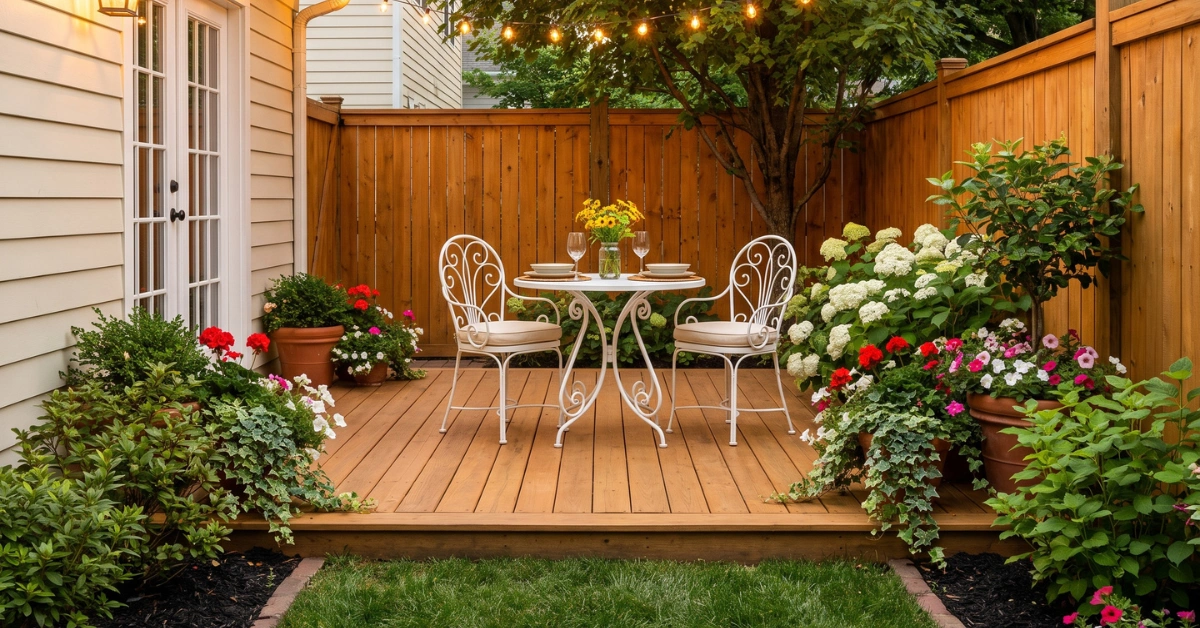
You’re standing in your yard with a mug of coffee, staring at a patch of grass, some tired fencing, and absolutely no idea where to start. I’ve been exactly there — years ago, with a concrete balcony and three half-dead herbs. The good news is that planning a garden isn’t about talent or a big budget. It’s about looking closely, thinking in the right order, and making a handful of smart decisions before you buy a single plant. Here’s how I’d walk you through it.
Start by Watching, Not Digging
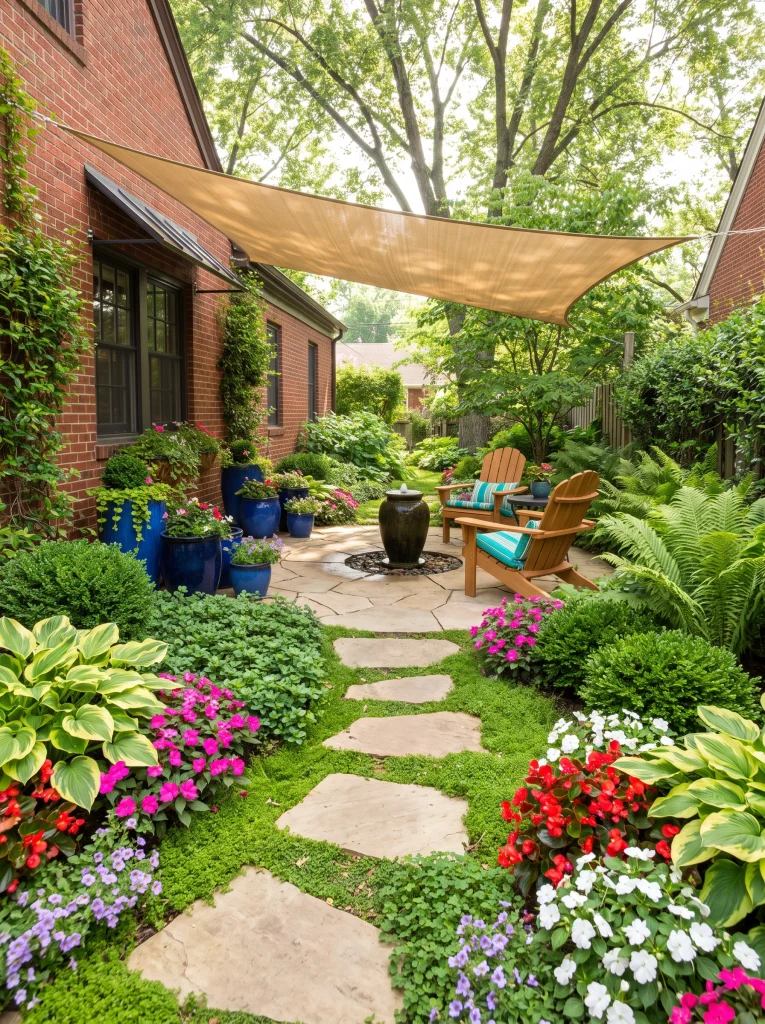
Before you touch a spade, spend a little time just paying attention to your space. Where does the sun land at 9am? At 3pm? Which corner stays soggy after rain, and which dries out fastest? This is the least glamorous step and the one everyone wants to skip — and it’s the one that saves you the most heartache.
My tip: Take a photo of your garden from the same spot at three different times on a sunny day. You’ll be surprised how much the light shifts. A bed you assumed was “full sun” (six or more hours of direct light) might actually sit in shade all afternoon.
Understanding your conditions — sun, shade, wind, drainage — tells you what will actually thrive rather than what you wish would. Right plant, right place. Nature does most of the work if you let it.
Map What You’ve Already Got
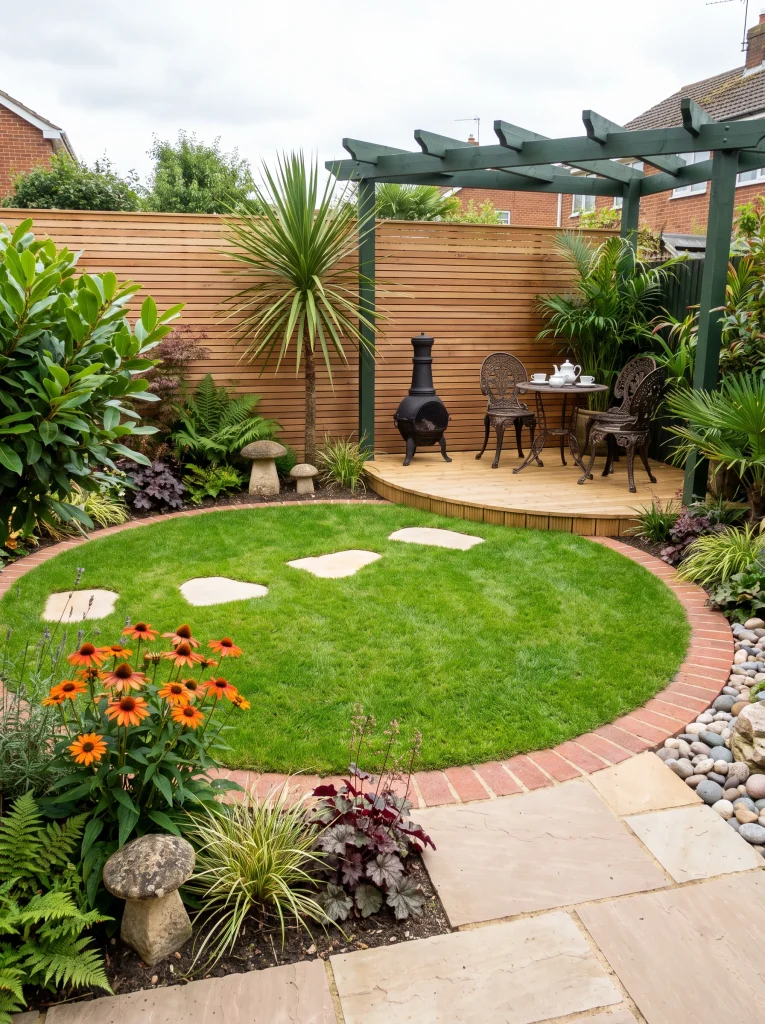
Grab a piece of paper and sketch a rough outline of your plot — it doesn’t need to be to scale or pretty. Mark the fixed things you can’t easily move: the house, the shed, existing trees, the tap, the boundary fences, any drain covers.
These “givens” shape everything. A mature tree casts shade you’ll design around. The outdoor tap decides where watering is easy. The ugly view over the back fence is a spot you might want to screen with a tall shrub or a climber on a trellis.
Don’t erase the whole slate. That established hydrangea or the paved corner you inherited can save you money and give the garden instant maturity. Work with the bones of the space before you start knocking things out.
Decide How You Actually Want to Use It
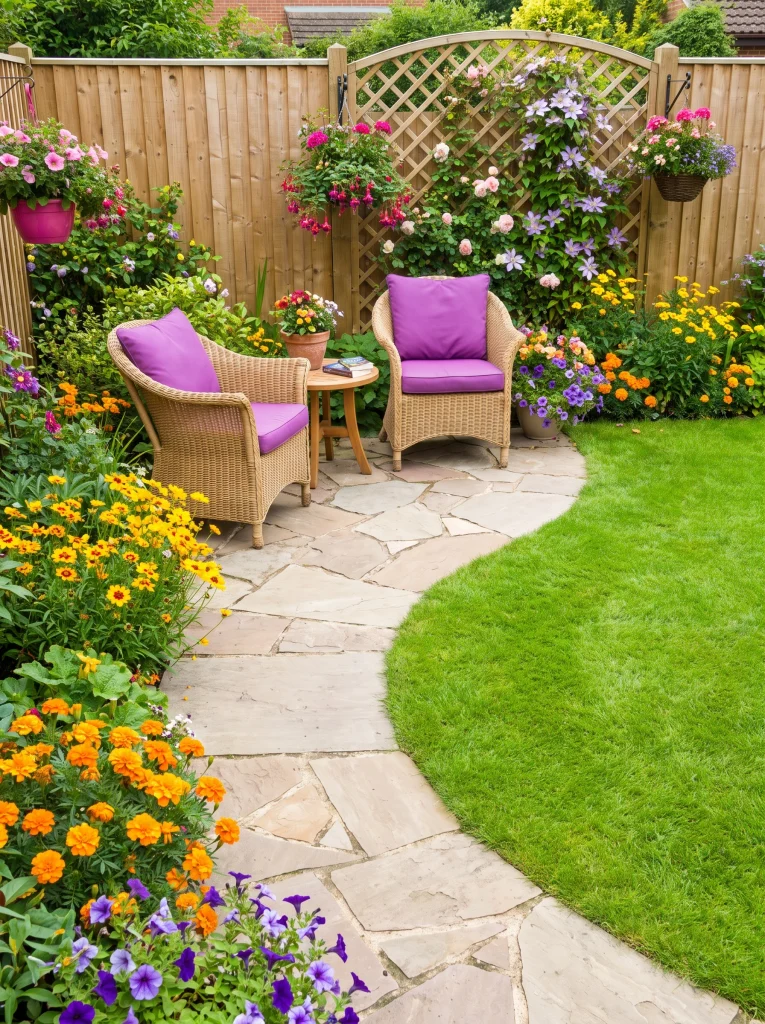
Here’s the question that matters most: what do you want to do out here? A garden is lived in, not just looked at. Be honest about your real life, not the Pinterest version of it.
- Somewhere to sit and unwind — you’ll want a sheltered spot that catches evening sun, room for a couple of chairs, and something lovely to look at.
- Space for kids or a dog — a tough patch of lawn or clover, and beds pushed to the edges out of trampling range.
- Growing your own food — a sunny, open area within easy reach of the kitchen and the tap.
- Low effort, high reward — fewer fussy plants, more shrubs and perennials that look after themselves.
Most of us want a mix. That’s fine. Just rank them, because the top priority earns the best spot.
Think in Zones, Not One Big Blank Space
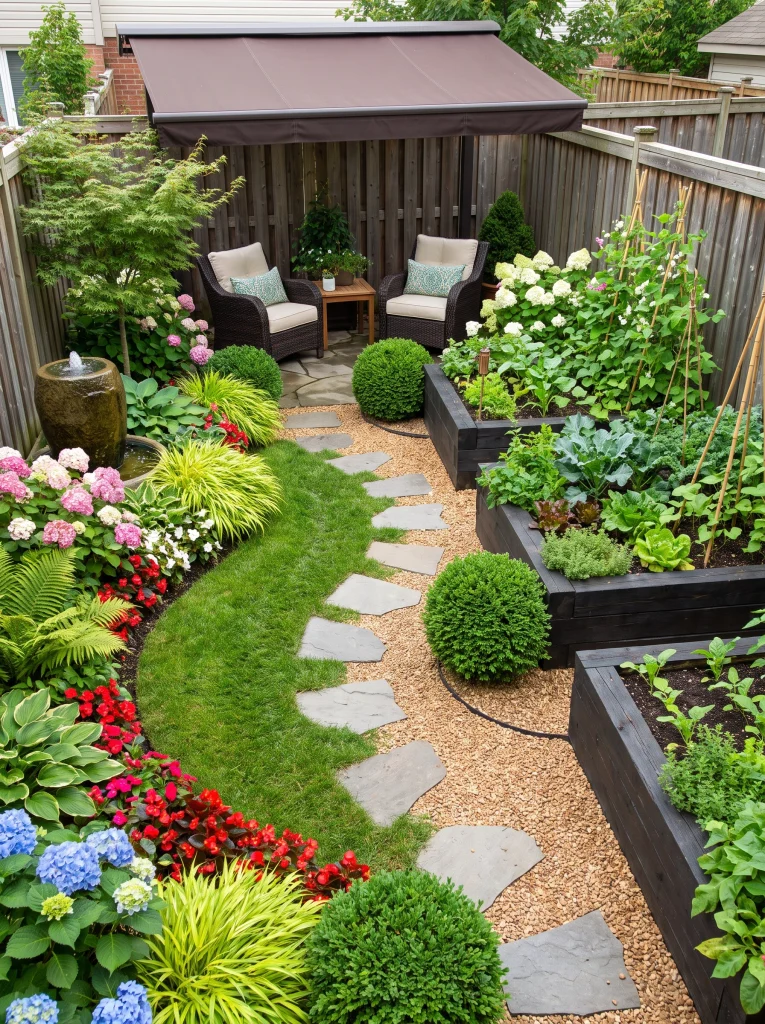
Even a small garden feels better when it’s broken into areas that each do a job. One patch to sit. One to grow. One to walk through. This is the single trick that makes a modest plot feel considered rather than accidental.
You don’t need walls or fences to define zones. A change in surface does it — gravel meeting lawn, a stepping-stone path leading off the patio. A shift in planting works too: a low hedge, a cluster of tall grasses, a big pot marking a “doorway” between one area and the next.
Pro tip: Sit in the spot where you think your seating should go — actually drag a chair out there. If it feels exposed, overlooked, or you’re squinting into the sun, you’ve just saved yourself building a patio in the wrong place.
Let Paths Follow Where People Walk
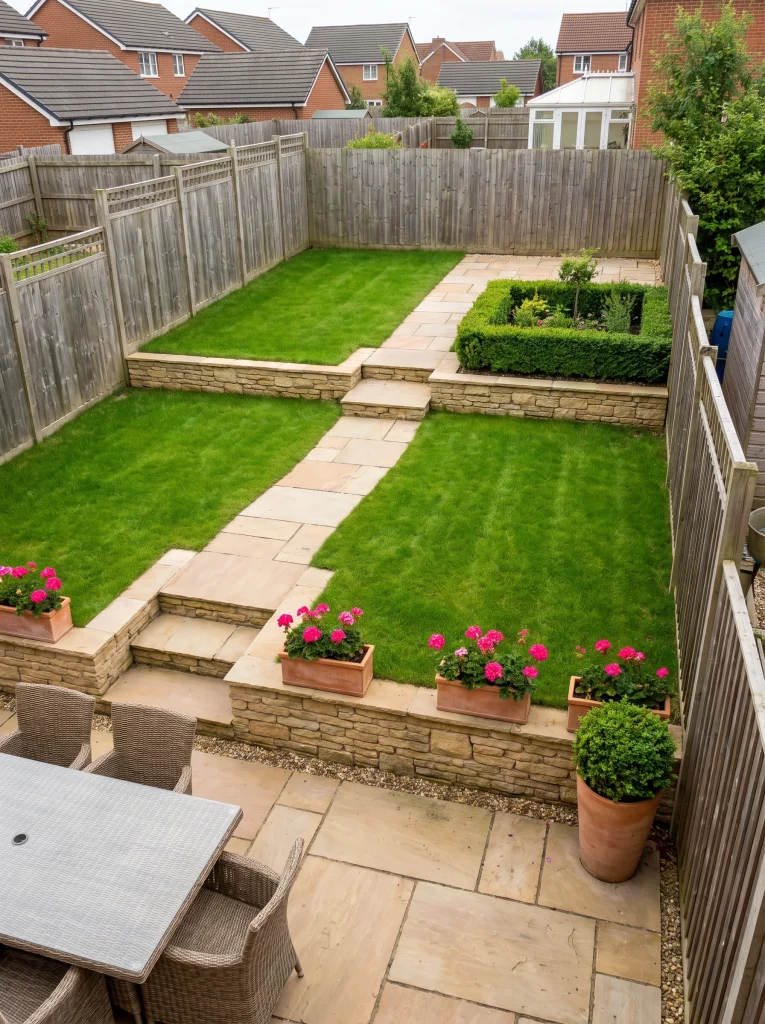
A path should go where you’d naturally walk anyway — not where a diagram says it looks tidy. Watch the “desire lines,” those worn tracks across the grass where everyone cuts the corner. That’s your route. Fighting it just means a muddy shortcut and a path nobody uses.
For a main route you’ll walk daily, give it enough width for two people or a wheelbarrow — around 90cm to 1.2m. Secondary paths can be narrower and more meandering; a curve makes a small garden feel longer and invites you to slow down.
Materials set the mood. Gravel is cheap, drains well, and gives that satisfying crunch underfoot. Stepping stones feel informal and let planting spill around them. Solid paving is the most expensive but the easiest to walk and sweep. Choose based on how the path will be used, not just how it looks in a catalogue.
Plan Your Planting in Layers
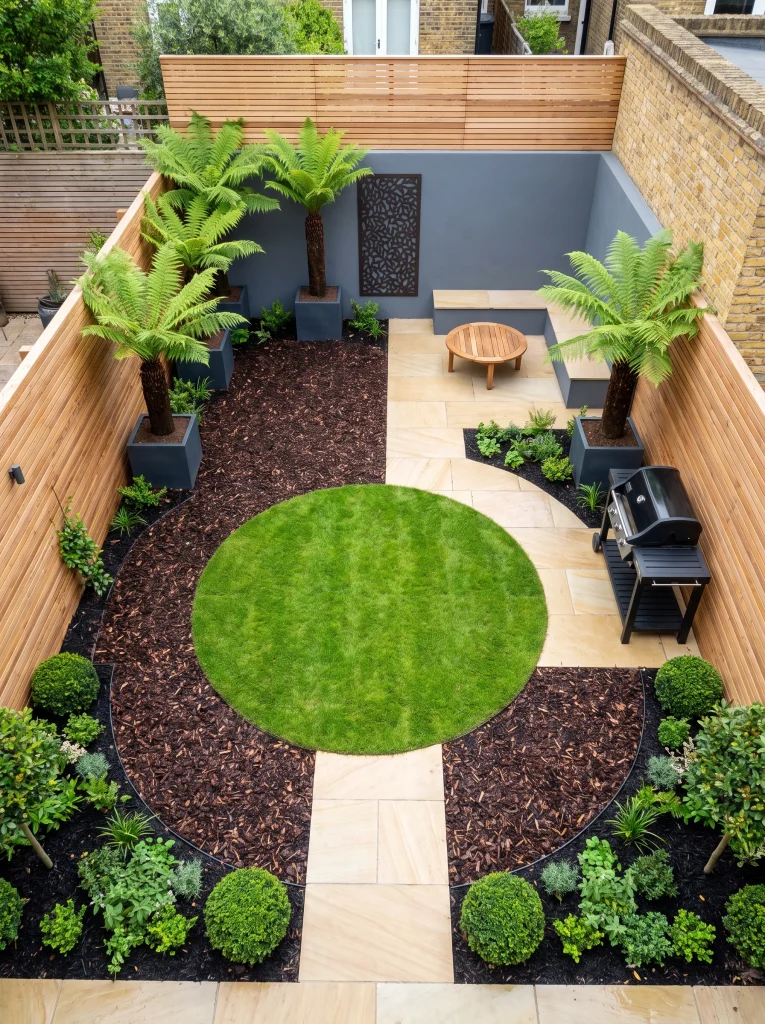
This is where a garden goes from flat to full. Think in three rough layers, tallest to shortest:
- Structure — shrubs, small trees, or evergreens that hold the shape year-round. These are the backbone; a couple of well-placed ones do more than a dozen fussy flowers.
- The middle — perennials that come back each year: things like salvia, geranium, echinacea, or catmint. They bring the colour and the seasonal change.
- The front and floor — low, spreading plants and ground cover that soften edges and knit everything together.
Plant in groups of odd numbers — threes and fives read as natural drifts rather than lonely dots. And resist the urge to space for how plants look today. That little £6 shrub will spread. Give it room now and it’ll fill the gap in two seasons, cheaper and healthier than cramming in instant colour that fights for space by August.
Leave Room to Get It Wrong
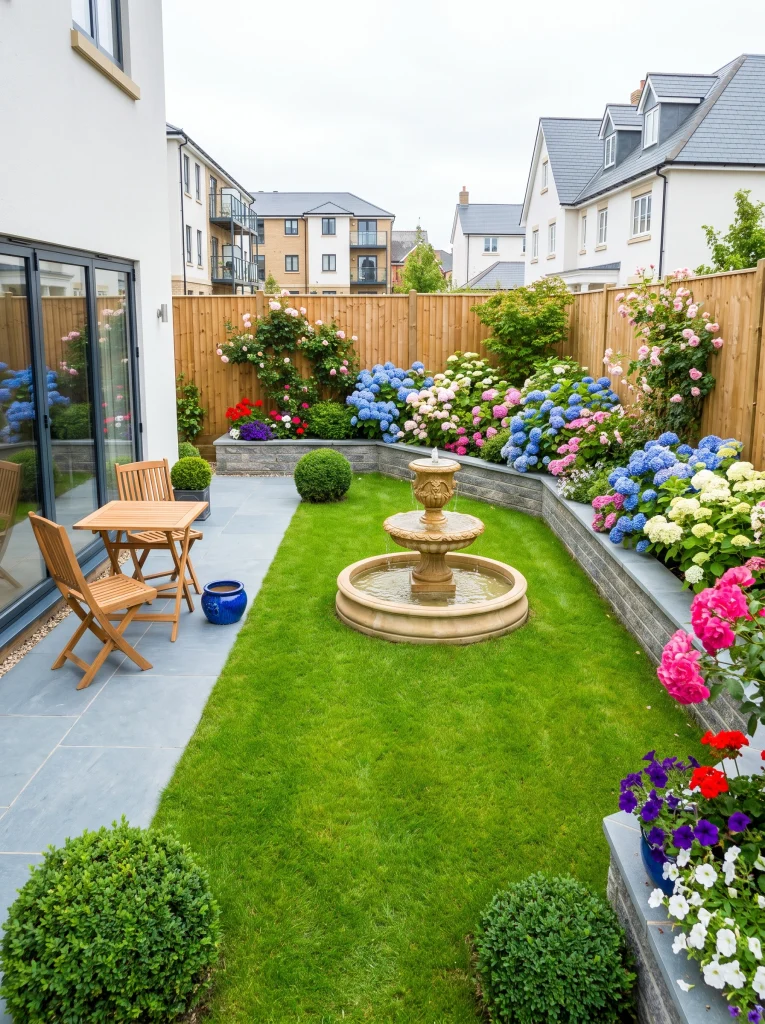
Here’s the thing no glossy garden book admits: your first plan won’t be perfect, and that’s completely fine. Every dead plant I’ve grown — and there have been plenty — taught me something a diagram never could. A garden reveals itself over a full year: where the frost lingers, where the sun creeps in summer, which plant sulks and which one runs riot.
So plan with a light hand. Leave a bit of empty bed. Keep some plants in pots for a season before committing them to the ground. Give yourself permission to move things — most perennials don’t mind being lifted and shifted while they’re dormant.
My tip: Keep a scruffy notebook or a note on your phone. Jot down what flowered when, what flopped, what you loved. Next year’s garden is built on this year’s mistakes, and you’ll be glad you wrote them down.
Final Thoughts
Planning a garden from scratch feels enormous until you break it into small, ordered steps: watch the light, map what’s there, decide how you’ll use it, carve out zones, run the paths where you’d walk, then plant in layers. None of it requires a landscaper or a big spend — just patience and a willingness to look closely.
Start smaller than you think you need to. Sketch your plot this weekend and mark where the sun falls. That single sheet of paper is the most valuable tool in the whole process, and it costs nothing.
A great garden layout isn’t drawn in a single afternoon — it’s a handful of patient decisions about light, movement, and how you actually want to live outside